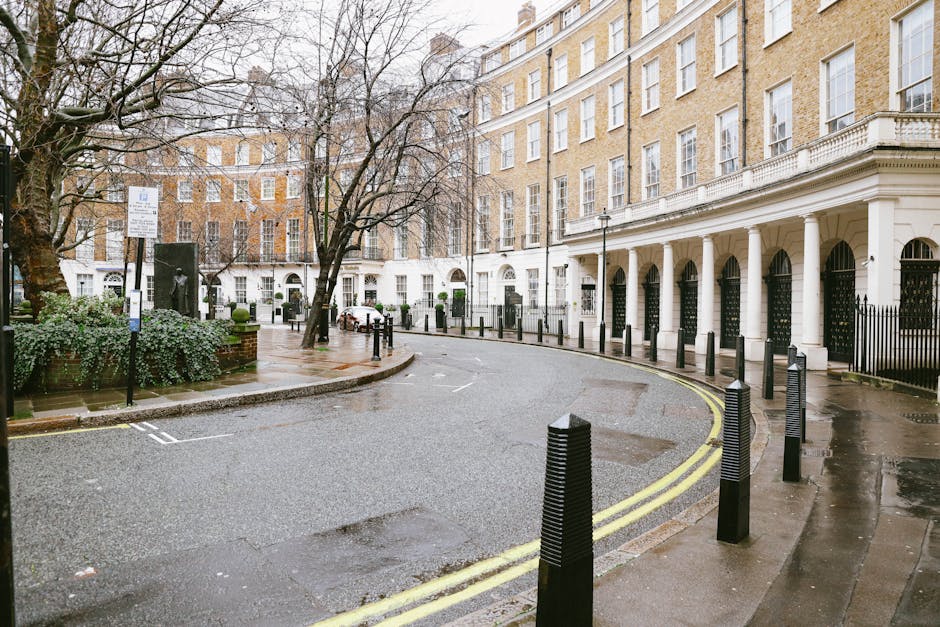
Belgrave Square Removals Access and Parking Guide Belgravia
If you are planning a move around Belgrave Square, you already know the challenge is not just lifting boxes. The real issue is often access. Narrow residential streets, controlled parking, timing restrictions, and the simple fact that Belgravia is a busy, polished part of London can turn a straightforward move into a logistical puzzle. This Belgrave Square removals access and parking guide Belgravia is written to help you plan the day properly, avoid delays, and make sensible decisions before the van even arrives.
The good news? With a bit of preparation, moving in and out of Belgrave Square can be managed smoothly. The key is understanding how loading space, vehicle size, building access, and timing all work together. A move that feels awkward at first often becomes much easier once the practical details are clear. Let's get into it.
Why Belgrave Square removals access and parking guide Belgravia Matters
Belgrave Square sits in one of the most elegant and tightly managed parts of central London, and that beauty comes with practical limits. Streets can be busy, stopping space can be limited, and you may not be able to park directly outside the property for as long as you would like. That matters because removals are time-sensitive. Every extra minute spent hunting for a spot usually turns into extra lifting, more strain, and a longer day for everyone.
In moving work, access is often the hidden cost. Not financial cost only - although that can happen too - but the cost of tired people, awkward carrying routes, and the kind of frustration that makes a move feel bigger than it really is. A piano, wardrobe, or heavy sofa can be perfectly manageable on paper, then suddenly become a problem if the van has to stop half a street away. That is why planning access in Belgravia is not an optional extra. It is the move.
Belgrave Square removals also tend to involve properties with specific features: basement flats, townhouses, porter-controlled entrances, communal courtyards, or shared mews access nearby. Each one changes the way a van should approach, where it can wait, and how long loading will take. If you have ever tried to move at 8am with bins out, delivery traffic building, and a building manager asking for a quicker turnaround, you will know the feeling. Not ideal.
Expert summary: In Belgrave Square, the most successful removals are rarely the ones with the biggest van. They are the ones with the best plan for access, parking, lifting routes, and timing.
How Belgrave Square removals access and parking guide Belgravia Works
Think of the move as a chain. If one link is weak - parking, access, or timing - the whole day slows down. In practical terms, a removals team will usually look at four things first: where the vehicle can stop, how close it can get to the entrance, whether there are height or width limitations, and whether the building needs advance notice for the move.
Parking in central Belgravia is rarely casual. You do not want to arrive and improvise. That sounds bold on paper and messy in real life. Depending on the street, you may be dealing with resident-only restrictions, limited waiting, shared loading areas, or short windows where stopping is realistic. If the route is tight, a smaller vehicle such as a man with a van setup may be more practical than a larger lorry. For heavier moves, a larger removal van or moving truck might still be right, but only if the access allows it.
Building access matters just as much. You may need to use a side entrance, a service lift, or a specific loading bay. In some cases, the building team will want a time booked in advance. That is normal, not awkward. It simply means the removal has to fit around the building's operating rhythm. If the move involves a full household rather than a smaller flat, it is usually sensible to plan through house removals or, for more compact jobs, flat removals.
Parking and access also affect packing order. Items needed first should be loaded last. That sounds obvious, yet many people forget it when the hallway is full and time is moving fast. You want the essentials easy to reach, and you want heavy items staged in a way that reduces carrying distance. Small detail, big difference.
Key Benefits and Practical Advantages
A good access and parking plan does more than save time. It helps protect the property, the belongings, and the people moving them. In a place like Belgrave Square, where entrances can be elegant but not always forgiving, that matters a great deal.
- Faster loading and unloading: Less time spent carrying items from far away means fewer delays and less fatigue.
- Lower risk of damage: Shorter carry distances reduce the chance of scuffed walls, chipped corners, or dropped items.
- Better van choice: You can match the right vehicle to the street and the volume of goods instead of guessing.
- Reduced stress: A well-planned move feels calmer, and yes, calmer moves usually go better.
- More predictable timing: That helps if you are coordinating keys, cleaners, landlords, or office access.
There is another benefit that often gets overlooked: better communication. When you know where the van can stop, what the building allows, and how long access may take, everyone involved can work from the same plan. That makes it much easier to coordinate a wider move, whether you are using removal services for a straightforward local move or arranging something more specialised such as piano removals.
For commercial clients, the same logic applies. Office relocations in Belgravia can be interrupted by delivery traffic, building rules, and the need to keep disruption low. A planned access window helps the team work cleanly and keeps the move from spilling into the rest of the working day. If you are moving a workspace, office removals and commercial moves are usually best handled with a slightly more structured timetable.
Who This Is For and When It Makes Sense
This guide is useful for anyone moving into or out of Belgrave Square, but it becomes especially valuable if your move has any of the following features:
- You are moving from a townhouse, mansion block, or period property with narrow entry points.
- You need the van to stop as close as possible to the entrance.
- You have bulky items like wardrobes, mirrors, artwork, or exercise equipment.
- You are moving on a weekday morning when traffic is usually tighter.
- You need to coordinate with a porter, building manager, or concierge.
- You are combining removals with storage, packing, or furniture disposal.
It also makes sense if you are handling a smaller move and want to avoid overbooking the wrong vehicle. Sometimes a compact man and van service is exactly right. Other times, it is worth using a larger team and vehicle because the property access is awkward enough to justify it. Truth be told, many people underestimate the value of good access planning until they are standing on a pavement with a wardrobe and no obvious place to stop. Not fun.
Students and short-term renters can benefit too, especially if the move needs to be quick or happen between lease handovers. In those cases, student removals can be a tidy fit, particularly if the route is short and the load is manageable.
Step-by-Step Guidance
If you want the simplest possible version, here it is: inspect, plan, confirm, load, and buffer time. But let's break that down properly.
- Check the building access points. Ask which entrance should be used, whether there is a service lift, and whether the main door has time restrictions.
- Measure the awkward bits. Stairs, lifts, hallways, turning circles, and doorway widths all matter more than people think.
- Identify the likely parking zone. The goal is to know where a van can legally and safely stop, even if only for a short period.
- Match the vehicle to the job. A small flat move may suit a van, while a large family home may need a bigger vehicle or even a staged move.
- Prepare a loading order. Put essentials, fragile items, and first-night boxes where they can be reached quickly.
- Build in timing slack. Give yourself breathing room for traffic, lift delays, weather, or building access changes.
- Confirm the final plan the day before. A short check-in avoids the classic "we thought someone else had arranged that" situation.
If the move includes items that need extra care, such as antiques or large furniture, pack and label them before the vehicle arrives. For many households, using packing and boxes alongside packing and unpacking services takes pressure off the day itself. That can be the difference between a tidy handover and a scramble.
One small but important tip: keep a clear path from the front door to the street. Even a narrow route can be made workable if boxes, bags, and loose items are not cluttering the corridor. I have seen a five-minute job become a thirty-minute shuffle just because the hallway was behaving like a storage cupboard. Happens all the time.
Expert Tips for Better Results
Here are the practical things that tend to make the biggest difference in Belgravia, especially around Belgrave Square where space is at a premium.
- Plan for the shortest possible carry distance. If a side entrance is available, use it. If a front entrance is better, confirm it early.
- Keep fragile items separate. Mirrors, lamps, framed artwork, and glass tops should not be buried under heavier goods.
- Use the right vehicle size. Bigger is not always better. A smaller vehicle can be easier to position and faster to load if the street is tight.
- Label by room, not just by item. It speeds up unloading, especially when access is split across floors.
- Tell the crew about awkward items early. Pianos, long mirrors, oversized sofas, and heavy desks need advance planning.
- Allow for building etiquette. Quiet, tidy, and efficient handling goes a long way in managed properties.
If you are moving a business or a large household, it may also be worth checking whether short-term holding is helpful. Storage can take the edge off phased moves, refurbishment gaps, or delayed completion dates. It is not glamorous, but it is often useful. Very useful, actually.
Another overlooked tip is to keep one person responsible for access decisions on the day. Too many voices can slow everything down. One clear point of contact keeps the move moving, which sounds neat because it is neat.
Common Mistakes to Avoid
Most access problems in central London are not dramatic. They are small oversights that stack up. The tricky part is that each one looks harmless on its own.
- Assuming parking will be easy. In Belgravia, "I'll just stop outside" is rarely a plan.
- Booking the wrong-sized vehicle. A van that is too large can create more problems than it solves.
- Forgetting to brief the building team. Some properties need advance notice or specific access arrangements.
- Leaving packing until the morning of the move. That is how delays begin.
- Not checking lift availability. If the lift is out or booked, your timetable changes instantly.
- Overloading the first load. A too-heavy start can make the rest of the day harder than necessary.
There is also the classic mistake of underestimating central London traffic. Even on a weekday that looks calm at a glance, one delivery queue or road pinch point can make timing feel tighter than expected. That is why same-day planning needs a bit of caution. If you are trying to move quickly, same-day removals can help, but only if the access and parking are realistic for the vehicle and load.
And yes, sometimes the mistake is simply optimism. Admirable, but not always helpful.
Tools, Resources and Recommendations
You do not need fancy equipment to plan a Belgrave Square move, but a few practical tools make the process easier.
- Measuring tape: Useful for doorways, furniture, stair widths, and lift dimensions.
- Room-by-room labels: Helps unloading stay organised when access is split.
- Basic inventory list: Keeps track of fragile or high-value items.
- Floor protection materials: Helpful in period properties and polished communal areas.
- Contact sheet: Keep building contacts, movers, and key holders on one page.
For larger or more complex relocations, it helps to choose a mover that offers the right mix of vehicle type and handling support. You may want a simple removal van, a more flexible man with a van, or a fuller-service package through removals. The right choice depends on access, volume, and how much handling you want to keep off your plate.
For specialist pieces or full-property work, the supporting services matter too. Furniture removals are a smart option when bulky items are the main issue, while home moves suit the broader household picture. If you are shifting a workplace rather than a home, office relocation services may be the better fit because they take the timing and coordination side more seriously.
Law, Compliance, Standards, or Best Practice
Access and parking around removals in London usually sit within a mix of local traffic controls, building rules, and standard safety expectations. The exact restrictions will depend on the street, the time of day, and whether the property has private or managed access. Because those details can change, it is sensible to confirm them rather than assume they are the same as the last time someone moved there.
From a best-practice point of view, a reputable removals setup should prioritise safe loading, legal parking, considerate handling, and clear communication. That includes not blocking residents unnecessarily, keeping walkways clear, and using the right equipment for awkward or heavy items. If a move involves stairs, shared entrances, or fragile items, a proper risk-aware approach is more than common sense - it is part of doing the job properly.
It also helps to work with a provider that has clear operating policies. Readers often feel more comfortable when they know the business takes matters like safety, insurance, payment, and complaints seriously. If you want to understand the wider standards behind the service, useful pages include health and safety policy, insurance and safety, payment and security, and terms and conditions. These do not replace local access checks, of course, but they do tell you something about how the service is run.
If sustainability matters to you, you may also appreciate a mover that thinks carefully about waste, reuse, and responsible disposal. Recycling and sustainability is a sensible part of modern removals, especially when old packaging, unwanted furniture, or duplicate household items are involved.
Options, Methods, or Comparison Table
Choosing the right approach usually comes down to property size, access difficulty, and how much help you want on the day. Here is a simple comparison that may help.
| Method | Best for | Strengths | Watch-outs |
|---|---|---|---|
| Man with a van | Small moves, tight streets, short-distance jobs | Flexible, quick to position, often ideal where parking is limited | May not suit bulky or high-volume loads |
| Removal van | Medium moves and more organised household relocations | Better capacity while still practical for urban access | Needs a sensible parking plan in busy streets |
| Moving truck | Larger homes, staged moves, or heavier household contents | High capacity, fewer trips, useful for full-property loads | Can be harder to place near narrow or restricted streets |
| Full removals service | Whole-house moves, complex access, fragile or valuable items | More support, better coordination, less to manage yourself | Requires clearer planning and likely a more detailed brief |
In practice, there is no single best answer. A smaller vehicle may be the smartest choice if the parking is awkward, while a larger vehicle may save time if there is proper loading space. The best method is the one that matches the street, not the fantasy version of the street.
Case Study or Real-World Example
A fairly typical Belgrave Square move might look like this: a couple is leaving a top-floor flat in a period building, with one passenger lift, a couple of bulky wardrobes, several boxes of books, and a large mirror. On paper it sounds simple. In reality, the access path is tighter than expected, the lift can only take part of the furniture at once, and there is limited stopping space outside.
The move goes better because the plan is adjusted early. The couple books a smaller vehicle that can position more easily, staggers the loading so fragile items are not crushed, and clears the hallway before the crew arrives. A building manager is informed the day before, so there are no awkward surprises at the entrance. The whole thing still takes concentration - removals always do - but it avoids the biggest delay: trying to improvise at the kerb.
That is the real lesson. Not that the move was perfect. It rarely is. But the access and parking plan meant the team could spend time moving items, not waiting around for the street to cooperate. Small win, big relief.
Practical Checklist
Use this checklist before the moving day arrives.
- Confirm the exact address, entrance, and floor level.
- Ask whether there is a preferred loading point or service entrance.
- Check whether the building requires advance notice for removals.
- Measure large furniture and any tight spaces in the route.
- Decide whether a van, larger vehicle, or staged move is most suitable.
- Prepare labels for rooms and fragile items.
- Keep essentials, keys, and documents with you.
- Leave a buffer for traffic and access delays.
- Make sure the team knows about stairs, lifts, or awkward corners.
- Set aside any items for storage, recycling, or furniture pick-up.
If you are disposing of unwanted pieces rather than moving everything, furniture pick-up can be a tidy way to clear space before or after the move. It keeps the job cleaner, and frankly it makes the next room feel lighter almost immediately.
Conclusion
Belgrave Square removals are rarely difficult because of the boxes themselves. They become difficult when access, parking, and timing are left to chance. Once you plan those three things properly, the move becomes far more manageable. You get shorter carry distances, fewer delays, better vehicle choice, and a calmer day overall.
Whether you are moving a flat, a townhouse, an office, or a single valuable item, the smartest approach is to treat access like part of the move, not an afterthought. That mindset saves time and usually saves a lot of stress too. And let's face it, moving day already brings enough of that on its own.
Get a free quote today and see how much you can save.
With the right planning, Belgravia moves can feel organised, respectful, and surprisingly smooth. One careful decision at a time, that is all it takes.
Frequently Asked Questions
What makes Belgrave Square removals more complicated than a standard house move?
The main difference is access. Parking restrictions, narrow streets, managed buildings, and timing limits can all affect how the move runs. The belongings may be the same, but the logistics are usually tighter.
Can a removals van park directly outside Belgrave Square?
Sometimes, but not always. It depends on the street restrictions, time of day, and any local loading rules. It is safer to plan for a nearby stopping point rather than assume direct frontage parking will be available.
Should I choose a smaller van or a larger vehicle for a Belgravia move?
Choose based on access and load size, not guesswork. A smaller van may be easier to place in a tight street, while a larger vehicle may reduce trips if there is enough space to stop safely.
How far in advance should I plan access and parking for removals?
As early as you reasonably can. If your building has specific access rules or you know parking is limited, planning several days ahead is wise. For more complex moves, earlier is better.
Do I need to tell the building manager or concierge before moving?
In many cases, yes. Managed properties often have preferred access times, lift rules, or loading instructions. A quick notice can prevent delays and awkward misunderstandings on the day.
What if the lift is too small for my furniture?
Then the move needs a different handling plan. Some items may need to be taken apart, carried by stairs, or moved using a different route. This is exactly why measuring the access route matters before the van arrives.
Is a man and van service enough for a Belgrave Square move?
It can be, especially for smaller loads or short local moves. If you have fewer items and a tight street, a man and van setup may be practical. For bigger moves, a fuller service may be better.
How do I reduce the risk of damage during a central London move?
Keep carry distances short, clear pathways, label fragile items, and use the right vehicle size. It also helps to pack heavier goods securely and avoid overloading boxes. That sounds basic, but it works.
What should I do with items I do not want to take to the new place?
Separate them early and decide whether they are being recycled, stored, donated, or collected. If it is mainly furniture, a service such as furniture removals or furniture pick-up may help clear the old space efficiently.
Can removals be done the same day if parking is limited?
Yes, but it depends on whether the access is straightforward enough to keep the job moving. Limited parking does not rule out a same-day move, yet it does mean planning has to be sharper than usual.
What if I am moving an office rather than a home?
Office moves usually need more coordination because of desks, files, equipment, and business timing. In that case, office removals and office relocation services are worth considering for a more structured approach.
Where can I find more information about trust, safety, and policy details?
You can review the service pages for about us, health and safety policy, insurance and safety, and privacy policy for more background on how the service is handled.