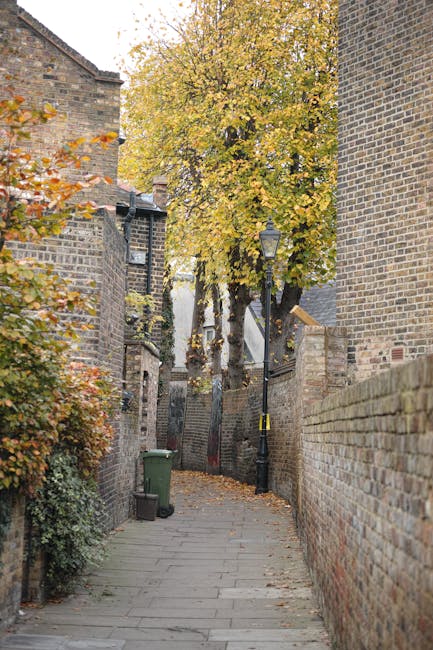
Eaton Square House Removals Narrow Access Tips Belgravia
Moving house in Eaton Square is a different sort of job altogether. The streets are elegant, yes, but they can also be tight, awkward, and surprisingly unforgiving when you are trying to move furniture through narrow access points, shared entrances, basement stairwells, or a mews-style loading space. If you are planning Eaton Square house removals narrow access tips Belgravia, the real challenge is not just lifting boxes. It is getting the whole move to flow cleanly in a setting where timing, vehicle size, parking, and building layout all matter. A little planning goes a long way here, and in our experience it saves time, stress, and the occasional slightly embarrassing moment with a sofa that was clearly too ambitious.
This guide breaks down what narrow access really means in Belgravia, how to prepare properly, and what practical steps make the biggest difference on moving day. It also covers common mistakes, compliance, packing strategy, and the kind of local know-how that makes a move feel controlled rather than chaotic.
Why Eaton Square house removals narrow access tips Belgravia Matters
Eaton Square sits in one of London's more refined residential pockets, but the aesthetics can hide practical headaches. Many properties in and around Belgravia were never designed for modern bulky furniture, large upright appliances, or a fully loaded removal vehicle arriving at the exact wrong time. That is why narrow access planning matters. It helps you avoid damage to walls, banisters, door frames, and the furniture itself.
There is also the time factor. When access is tight, every extra trip takes longer. A move that would feel straightforward in a wider suburban street can become a careful, stop-start operation where one awkward corner changes the whole rhythm of the day. If you want the move to stay calm, you have to think like the route planner, the porter, and the person carrying the wardrobe. All at once. Fun, right?
In practical terms, this topic matters because it affects:
- vehicle choice and parking strategy
- how much can be moved in one run
- the need for lifting aids or extra hands
- the likelihood of property protection and careful wrapping
- how long the job is likely to take
If you are comparing services, it is sensible to look at a team that understands house removals in central London and can handle awkward access without treating it like an afterthought. That difference shows up quickly on the day.
How Eaton Square house removals narrow access tips Belgravia Works
Narrow access removals are all about reducing friction before the first box is lifted. The process usually starts with an access review: what the doorway width is, whether the stairs turn sharply, whether there is a lift, where the vehicle can stop, and whether anything inside the property needs disassembly. In Belgravia, this is often the stage that decides whether the move feels smooth or slightly chaotic.
A good removal plan will usually include a quick discussion of the property layout, access times, and the kinds of items being moved. For example, a flat with a slim hallway and a long sofa may need furniture dismantling. A period house with narrow stairs may need extra protection on corners and an agreed route for carrying items one by one. Simple enough on paper. In reality, it is the difference between a move that hums along and one that stalls every ten minutes.
The best approach is usually to combine smaller carrying loads, thoughtful packing, and the right vehicle. Sometimes a larger van is not the answer; sometimes a more compact vehicle with efficient loading beats brute force. If the move is more flexible, options like man and van support can be a sensible fit, especially where the job needs speed, agility, and careful parking in a tight residential setting.
In many Eaton Square moves, the key is sequencing. You move the awkward items first, clear the narrowest route, and then shift the smaller boxes through the freed-up space. It sounds obvious, but you would be surprised how often this gets left until the middle of the day, when everyone is already sweating a bit and the kettle is long forgotten.
Key Benefits and Practical Advantages
Good narrow access planning is not just about avoiding problems. It creates real advantages that are easy to miss until you have been through a move the hard way.
- Less damage risk: furniture, paintwork, floors, and door frames are better protected when the route is planned in advance.
- Faster loading: fewer surprises means fewer pauses, fewer rechecks, and less wasted time.
- Better crew coordination: everyone knows what is going where and which items need special handling.
- Cleaner packing decisions: once you know access is tight, you naturally pack in a more move-friendly way.
- Lower stress for the household: a controlled move feels much less intrusive, especially in a premium property.
There is also a subtle financial benefit. A move that is planned properly often avoids avoidable delays. That matters because time on site, repeated carrying, and extra handling can all make a job feel more expensive than it needed to be. If you are reviewing options, a clear pricing and quotes page can help you understand what is included and what needs to be checked before the move date.
Another benefit is confidence. When you know the route, the access point, and the packing plan, the whole experience stops feeling like a gamble. You are not hoping the wardrobe will fit. You already know how it will turn, where it will be held, and who is taking the lead.
Who This Is For and When It Makes Sense
This kind of planning is useful for anyone moving in Eaton Square, but it is especially relevant if you are dealing with:
- narrow entrance halls or staircases
- basement or top-floor access
- period properties with tight turning spaces
- shared buildings where loading time is limited
- valuable furniture that cannot be bumped about
- pianos, large mirrors, or awkward antique pieces
It also makes sense if you are moving with limited time. A same-day handover, a short gap between tenancies, or a family move with children and pets tends to magnify every small delay. If you need a faster turnaround, same-day removals can be useful, but only if the access details are clear from the outset. Otherwise, speed turns into improvisation, and that is not ideal in a narrow hallway with a marble side table waiting nearby.
For smaller households, flats, or students moving in and out of central London, the same logic applies. Even a modest move can become awkward when access is tight. This is where careful planning pays off more than size does.
Step-by-Step Guidance
Here is a practical way to prepare for a narrow-access move in Eaton Square without overcomplicating the day.
- Measure the obvious pinch points. Check the front door, hallway, stair widths, lifts, and any turns where larger furniture will need to pivot.
- Walk the route. Do not just guess from memory. Stand in the hallway, look at the corners, and imagine carrying the bulkiest item through it.
- Identify the awkward pieces first. Wardrobes, beds, sofas, dining tables, and pianos often decide the whole plan. If something needs dismantling, do it early.
- Use the right packing style. Keep boxes a sensible weight, label them clearly, and avoid overfilling large boxes that become impossible to carry safely.
- Reserve the simplest route. If there is a secondary entrance or a better loading point, use it. The shortest route is not always the easiest route.
- Protect surfaces. Floor runners, door-frame protection, and blankets help prevent scuffs in tight areas where a shoulder or box can clip the wall.
- Load in the correct order. Put heavy and awkward items in first, then build around them with boxes and lighter items.
- Keep the team informed. One person should direct the route and call the turns. Small thing, big difference.
If you are booking a broader move rather than just a one-off item transfer, it can help to think in terms of a complete service. A well-organised removal service usually handles planning, loading, protection, and transport in one coordinated process rather than treating each bit separately.
One simple habit makes a huge difference: keep a clear landing zone near the exit. Even a small, tidy space where boxes can be staged makes the whole move feel less cramped. Tiny win, but a real one.
Expert Tips for Better Results
These are the practical details that often separate a decent move from a genuinely smooth one.
- Disassemble more than you think you need to. A bed frame or table leg removed in advance can save a lot of trouble at the doorway.
- Use smaller boxes for books and dense items. This reduces strain and makes narrow stairs far less awkward.
- Wrap corners before the crew arrives. In a tight building, even a brief scrape can leave a mark.
- Keep a clear path to both the exit and the van. Nothing should be stored in the route, not even for a moment.
- Think about parking before packing. Vehicle placement can change the whole carrying pattern.
- Have a "do not move last" pile. Important papers, chargers, keys, and essentials should stay separate so they do not vanish in the shuffle.
A small but useful tip: photograph the access route before the move. A few quick images of the staircase, entrance, and hallway can help everyone visualise the job. It is almost embarrassingly effective.
For specialist items, it is often worth speaking openly about them early. If you have a piano, for instance, a dedicated piano removals approach will normally be more appropriate than standard handling. Pianos are not "just another heavy thing." They are heavy, delicate, and stubborn. A bit like that one wardrobe hinge that refuses to cooperate until everyone is watching.
Common Mistakes to Avoid
Most problems in narrow-access removals come from assumptions. People assume a sofa will fit because it fitted in the room. They assume the van can stop outside. They assume the staircase is fine because it looked manageable at a glance. Those assumptions cost time.
- Not measuring furniture properly. A few centimetres can decide whether something turns the corner or has to be dismantled.
- Leaving packing too late. Rushed packing usually means awkward, overfilled boxes that are painful to carry.
- Ignoring building rules. Some properties have loading windows, access instructions, or estate management requirements.
- Using the wrong vehicle size. Bigger is not always better in a constrained street.
- Forgetting the weather. A wet London morning can make steps and pavements slippery, which matters a lot when carrying bulky items.
- Trying to move everything at once. That tends to create jams in hallways and around doors.
There is also the classic mistake of not checking insurance and safety expectations. In a premium location like Belgravia, you want to know that the team understands how to protect property as well as transport it. It is worth reviewing a company's insurance and safety information before you book, just to make sure expectations are clear.
Tools, Resources and Recommendations
You do not need a truckload of specialist kit to make a narrow-access move work, but a few practical tools make things easier.
- Measuring tape: essential for checking doors, furniture, and stair turns.
- Protective blankets and wraps: useful for sofas, headboards, tables, and painted surfaces.
- Furniture straps: help with grip and stability when carrying awkward loads.
- Marker pens and labels: make room placement much smoother on arrival.
- Floor protection: especially helpful in period buildings with sensitive flooring.
- Flat-pack tools: a basic tool kit can save time if furniture needs partial dismantling.
On the planning side, useful internal pages can help you understand the service mix. If you are moving a smaller household or a compact Belgravia flat, flat removals may suit you better than a larger house-moving setup. If you are relocating an entire home, then home moves can be a better fit. And if you need a flexible loader for smaller or awkward jobs, a man with van option can sometimes be the neatest way to handle short-distance transport in central London.
Sometimes the simplest recommendation is the best one: keep things smaller, lighter, and better labelled than you think you need. That alone avoids a lot of drama. Honestly, drama is not what you want in a stairwell.
Law, Compliance, Standards, or Best Practice
For a house move in Belgravia, the most relevant compliance concerns are usually practical rather than dramatic. You are mainly dealing with property access, safe manual handling, insurance cover, parking considerations, and building-specific rules. The exact requirements can vary by property and local circumstances, so the safest approach is to confirm details well ahead of moving day.
Best practice usually includes:
- safe lifting and carrying methods
- clear communication within the moving team
- appropriate vehicle positioning
- careful property protection
- respect for building access rules and neighbours
If a move involves a communal block, shared hallway, or managed estate, you may need to keep to agreed loading times and avoid blocking access routes. That is not just polite; it helps the day run without friction. A team that follows clear health and safety practices will usually be better placed to handle these conditions calmly.
For customers, the important thing is to ask questions early rather than guess later. Who is responsible for parking arrangements? Will items be protected? Is the route safe for large items? Are there any building restrictions? The answers shape everything else.
Options, Methods, or Comparison Table
Different moving methods suit different kinds of narrow-access jobs. Here is a simple comparison to help you think it through.
| Method | Best for | Advantages | Watch-outs |
|---|---|---|---|
| Full house removal team | Larger household moves with multiple rooms | Structured, efficient, good for complex access | Needs good planning and enough parking space |
| Man and van | Smaller moves, quick turns, flexible transport | Agile, often easier in central London | May not suit very large or highly fragile loads |
| Flat removals | Apartments and upper-floor properties | Designed around stairs, lifts, and tighter entrances | Requires accurate access info before booking |
| Storage + move split | Delayed completion dates or staged moves | Reduces pressure on the moving day itself | Needs extra coordination and planning |
For some customers, storage makes a lot of sense when the new property is not quite ready or access is especially restricted. In those cases, storage can take pressure out of the schedule and give you more breathing room. That breathing room matters more than people think.
Case Study or Real-World Example
Imagine a Belgravia townhouse move where the entrance is elegant but narrow, the stair turns sharply on the first floor, and the largest item is a bulky king-size bed frame. The initial plan is simple: move everything in one go. But after a quick access check, it becomes obvious that the frame will not make the turn intact. So the team dismantles it first, wraps the slats and side rails separately, clears the hallway, and stages the boxes by room.
That small adjustment changes the day. Instead of repeated stops at the staircase, the crew moves in a clean sequence. The fragile items are handled while everyone is fresh, the route stays clear, and there is no damage to the hallway paintwork. The house is not perfect chaos anymore; it is just a move. A manageable one.
In a different scenario, a client moving from a compact flat in the same area decides to use removals support with better packing and a smaller vehicle rather than booking a larger truck that would struggle with street access. That choice saves time and avoids parking issues. Simple, sensible, and a lot less stressful.
Practical Checklist
Use this checklist a few days before the move, then again the day before.
- Measure doors, hallways, stairs, and large furniture
- Confirm where the vehicle can stop safely
- Check if the building has loading or access restrictions
- Decide which furniture needs dismantling
- Pack heavy items into smaller boxes
- Label boxes by room and priority
- Protect floors, corners, and vulnerable surfaces
- Set aside essentials for immediate access
- Review insurance and safety details
- Keep phones charged and the team contact details to hand
If you are moving with children, pets, or a very strict time window, add a little buffer. Twenty minutes here, half an hour there. It all helps.
Get a free quote today and see how much you can save.
Conclusion
Narrow access does not have to make an Eaton Square move stressful. It just means you need a more thoughtful plan, a realistic view of what will fit, and a moving approach that respects the layout of the property rather than fighting it. Once you know the route, the vehicle, and the awkward items, the rest becomes much easier.
The best Belgravia moves are usually the quiet ones: no drama, no guesswork, just good preparation and careful execution. If you take the time to measure, label, protect, and sequence the job properly, you give yourself a far better day. And honestly, that is what most people want. A calm move. A clean finish. A proper start in the new place.
Frequently Asked Questions
What makes Eaton Square removals different from a typical house move?
Eaton Square removals often involve tighter access, period property layouts, limited loading space, and more careful vehicle planning than a standard suburban move. The route matters as much as the destination.
How do I know if my furniture will fit through narrow access?
Measure the furniture at its widest points, then compare those measurements with doors, turns, and stair widths. If the item looks close, assume it may need dismantling. That is usually the safer call.
Should I choose a larger van or a smaller one for Belgravia streets?
Not always larger. In narrow-access areas, a smaller or more agile vehicle can be easier to position and unload. The best choice depends on how much you are moving and where the van can safely stop.
Do I need to dismantle beds and wardrobes before moving day?
Often, yes. If the access route is tight, dismantling large furniture in advance can prevent damage and speed up the move. Flat-pack furniture can be especially fiddly, so check it early.
How far in advance should I arrange a narrow-access house move?
As early as possible, ideally once your dates are fairly settled. Extra planning time helps with measurements, vehicle choice, parking, and any building-specific rules.
Is packing more important in narrow-access removals?
Yes. Smaller, well-packed boxes are easier to carry through stairs and tight hallways. Overfilled boxes are awkward and slow everything down. Bit of a classic mistake, that one.
What should I do if my building has a shared entrance or loading restriction?
Check the restrictions early and tell your mover about them. Shared entrances and set loading windows need a tighter schedule, and it is better to plan than to rush on the day.
Can storage help with a Belgravia move?
Yes, especially if completion dates are staggered or access is restricted. Using storage can reduce pressure and let you move in stages instead of all at once.
What kind of service is best for a smaller flat move in Eaton Square?
A smaller, flexible setup such as flat removals or a man-and-van style service can work well if the access is tight and the move volume is modest. The key is matching the service to the property, not just the room count.
How do I reduce damage risks during narrow stair carries?
Use protective covers, keep hands clear of pinch points, communicate each turn clearly, and move slowly around corners. Protection and pacing matter more than speed.
What if I have a piano or other specialist item?
Tell the mover before the job is booked. Specialist items need specialist handling, and a piano especially should be treated as a separate planning item rather than just another heavy object.
Are same-day moves possible in Belgravia?
Sometimes, yes, but only if the access, packing, and scheduling details are already under control. For narrow-access properties, same-day work can be done, but it needs clear information from the start.
Where can I learn more about service standards and safety?
It helps to review company information such as the about us page and the health and safety policy page so you understand how the mover approaches care, planning, and accountability.
What is the smartest first step if I am not sure where to begin?
Start with measurements and a route check. Once you know what fits and where the vehicle can stop, the rest of the plan becomes much clearer. It really is the foundation of a good move.